
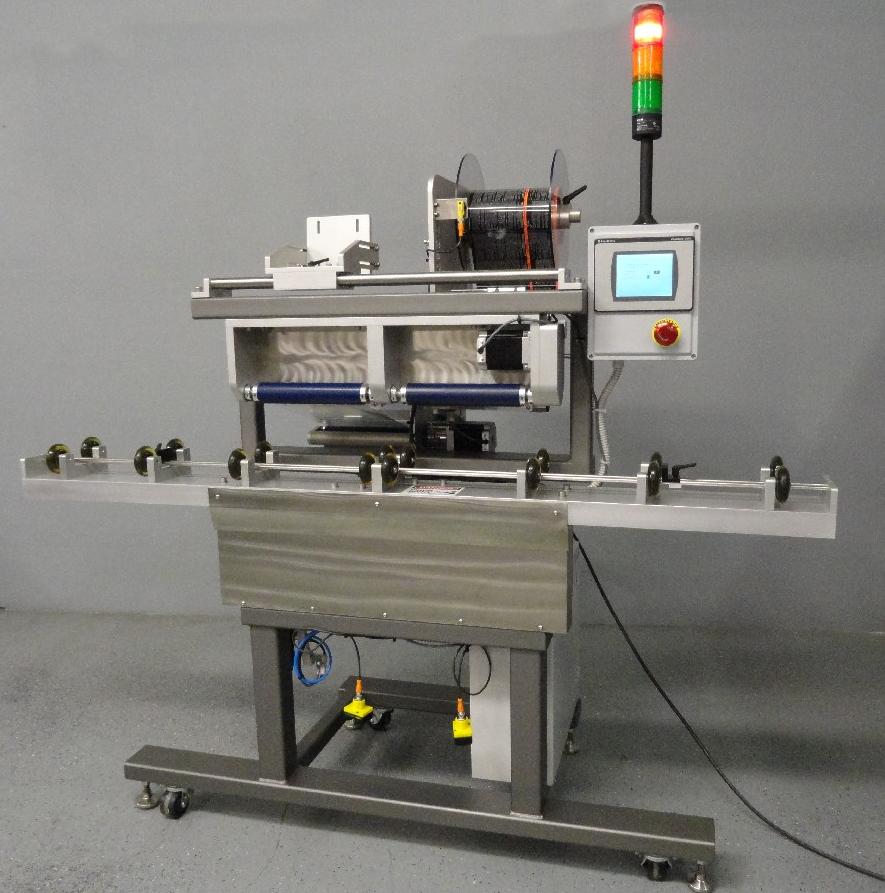
The Future of Medicine Manufacturing: Pharmaceutical Automation Machinery
The Future of Medicine Manufacturing: Pharmaceutical Automation Machinery
In recent years, the pharmaceutical industry has been revolutionized by advances in automation technology. Pharmaceutical automation machinery is not just a trend—it’s a necessity for meeting the increasing demand for efficiency, precision, and compliance in drug manufacturing. Let’s explore how automation is reshaping the pharmaceutical landscape and why it matters.
What Is Pharmaceutical Automation Machinery?
Pharmaceutical automation machinery refers to automated systems and equipment designed to streamline and optimize processes within pharmaceutical manufacturing. These machines cover a wide range of applications, including:
- Tablet pressing and capsule filling
- Packaging and labeling
- Sterile filling and sealing
- Quality control and inspection
- Material handling and logistics
By leveraging advanced technologies such as robotics, artificial intelligence (AI), and Internet of Things (IoT) devices, these systems aim to increase production efficiency while maintaining strict regulatory compliance.

Key Benefits of Automation in Pharmaceuticals
- Enhanced Productivity Automation machinery accelerates production cycles, allowing manufacturers to meet growing market demands without compromising quality. Automated systems can operate 24/7, drastically increasing output compared to manual processes.
- Improved Quality and Precision The pharmaceutical industry demands uncompromising precision to ensure product efficacy and patient safety. Automated machinery minimizes human error and ensures consistent product quality by adhering to stringent process controls.
- Regulatory Compliance Pharmaceutical manufacturing is subject to rigorous regulatory standards such as Good Manufacturing Practices (GMP). Automation helps ensure compliance by maintaining accurate records, tracking production data, and reducing the risk of contamination.
- Cost Savings While the initial investment in automation machinery can be significant, the long-term cost savings are substantial. Reduced labor costs, minimal waste, and fewer product recalls translate into higher profitability.
- Scalability and Flexibility Modern pharmaceutical automation systems are designed with scalability in mind, making it easier for manufacturers to adapt to changing market needs. Flexible systems allow for quick reconfiguration, enabling the production of different drugs without extensive downtime.
Emerging Trends in Pharmaceutical Automation
- AI-Driven Quality Control: Advanced AI algorithms are now being integrated into quality control systems to identify defects and anomalies with unparalleled accuracy.
- Robotics in Sterile Environments: Robotic systems are increasingly used in aseptic processing to eliminate the risk of contamination.
- IoT-Enabled Equipment: IoT devices provide real-time monitoring and predictive maintenance capabilities, ensuring optimal machine performance and reducing unplanned downtime.
- Continuous Manufacturing: Instead of batch-based processes, continuous manufacturing systems powered by automation are gaining traction for their efficiency and reduced production timelines.
Challenges and Considerations
Despite its numerous advantages, implementing automation in pharmaceutical manufacturing comes with challenges, including:
- High Initial Costs: Automation systems require significant capital investment, which can be a barrier for small and mid-sized manufacturers.
- Integration Complexity: Ensuring seamless integration of new automated systems with existing infrastructure can be a daunting task.
- Workforce Adaptation: As automation reduces the need for manual labor, companies must invest in reskilling employees to operate and maintain these advanced systems.
The Road Ahead
The future of pharmaceutical manufacturing lies in intelligent, automated solutions. As technology continues to evolve, we can expect even greater advancements in efficiency, precision, and innovation. Companies that embrace automation will be better positioned to meet global healthcare needs while maintaining competitive advantage.
Pharmaceutical automation machinery is not just a tool—it’s a transformative force driving the industry forward. By investing in the right technologies today, manufacturers can ensure a brighter, healthier tomorrow for all.